

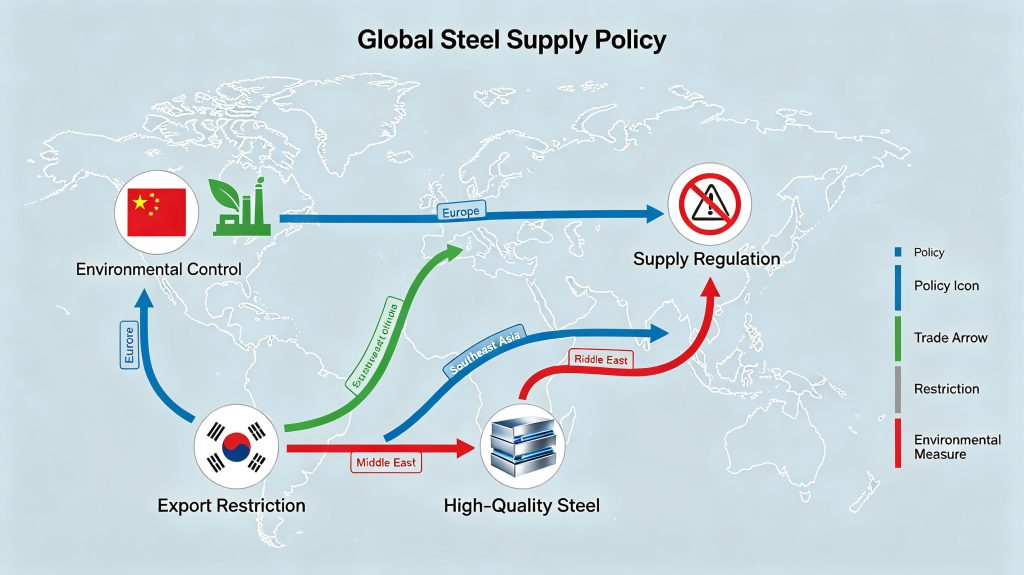
How Recent Policy Changes in Major Steel Exporting Countries Affect Global Steel Trade
In the dynamic world of steel trading, staying updated on policy changes in major exporting countries is crucial for businesses aiming to succeed in international markets. As one of the leading steel exporters, countries like China, India, South Korea, and Russia have recently implemented policies that significantly impact the global steel supply chain, pricing, and trade regulations. Here’s an in-depth look at these developments and what steel importers worldwide should expect.
China’s Environmental Regulations Tighten Steel Production
China, the world’s largest steel producer and exporter, has recently strengthened its environmental regulations. The government’s focus on reducing carbon emissions means stricter controls on steel mills, reducing production capacity during peak pollution seasons. This policy shift can lead to tighter steel supply and rising global prices, especially affecting buyers in Asia-Pacific and Europe who rely heavily on Chinese steel exports.
India’s Export Restrictions and Incentives
India has adopted a dual approach by restricting exports of certain steel products to secure domestic supply amid increasing local demand, while simultaneously offering incentives for advanced steel manufacturing technologies. Importers from the Middle East and Africa may notice a shift as India’s export volume fluctuates, emphasizing the need for diversified sourcing strategies.
South Korea’s Focus on High-Grade Steel and Trade Agreements
South Korea is pivoting towards high-grade and specialty steel production, backed by government subsidies to boost competitiveness. Moreover, recent trade agreements with ASEAN countries have eased tariffs, benefiting importers in Southeast Asia. Businesses trading with South Korea should explore opportunities in this premium segment to meet rising demand in automotive and construction sectors.
Russia’s Sanctions and Export Logistics Challenges
Due to geopolitical developments, Russia faces international sanctions affecting its steel exports. Restrictions on banking and shipping have complicated trade logistics, especially for European importers. Companies importing Russian steel must navigate complex regulatory environments, seek alternative payment and shipping solutions, and anticipate potential delays.
What Does This Mean for Global Steel Importers?
Understanding these policy changes is vital for importers aiming to mitigate risks and optimize procurement. Diversifying suppliers across different regions, staying informed about trade tariffs and environmental compliance, and fostering strong relationships with multiple exporters can help maintain a resilient supply chain.
Are you looking for reliable steel suppliers who understand these market shifts? We offers comprehensive international steel trading solutions tailored to your needs. Contact us today for a consultation!
Keywords: steel export policy, China steel export, India steel export restrictions, South Korea steel trade, Russia steel sanctions, global steel supply chain, steel importers Asia, steel trade regulations